
Microfinishing Explained: Achieving Repeatable Surface Roughness
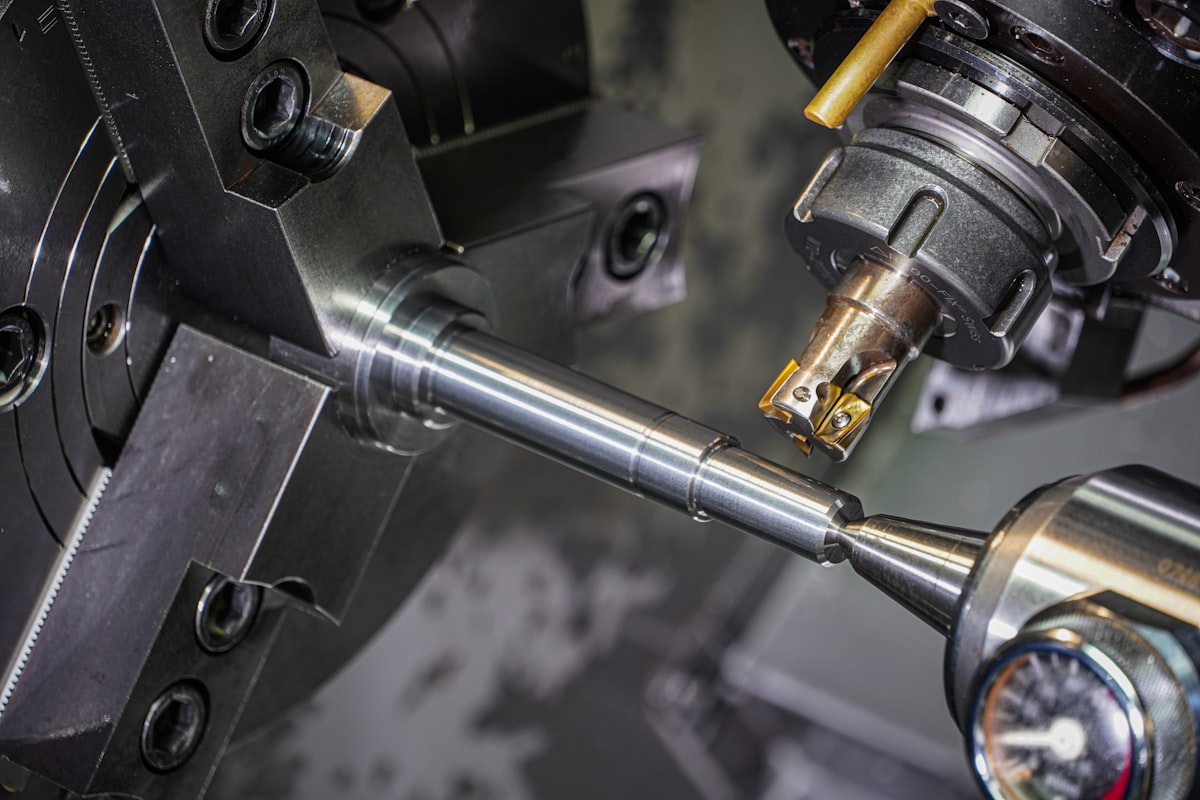
In high-precision industries like aerospace and automotive, a component is only as reliable as its surface finish. When parts face extreme cyclic loads or high-speed rotational friction, the difference between failure and peak performance often lies in the sub-micron range of surface texture. For engineers tasked with meeting ever-tightening tolerances, microfinishing has become the essential bridge between machining and long-term mechanical reliability.
The Engineering Logic Behind Microfinishing
Unlike traditional grinding or honing, which primarily focus on dimensional accuracy, microfinishing is a material-removal process designed specifically to refine the surface topography. It works by removing the irregular peaks—often referred to as asperities—left behind by upstream machining processes. By flattening these peaks, engineers create a bearing area that distributes load evenly across the entire surface rather than concentrating stress on high points. For UK manufacturing firms producing high-load shafts, bearings, or transmission components, this means a significant reduction in friction, lower operating temperatures, and a dramatic extension of component life.
Why Repeatability is the Ultimate KPI
In mass production environments, achieving a specific Ra (arithmetic average) value once is simple; achieving that same value across thousands of units is the true challenge. Traditional methods often rely heavily on manual intervention or inconsistent abrasive wear, leading to drift in quality.
Modern microfinishing, particularly when integrated into a broader automation strategy, removes the human element of error. By using controlled abrasive films or stones applied with consistent hydraulic pressure, manufacturers can maintain sub-micron repeatability throughout an entire production run. This level of consistency is non-negotiable for components that operate under extreme pressure, where surface variation can lead to premature metal fatigue or lubricant film breakdown.
Controlling Surface Morphology
While roughness values like Ra are critical, modern engineering now places equal importance on surface morphology—the 'shape' of the texture. Microfinishing allows for the creation of specific cross-hatch patterns that are vital for oil retention. By controlling the feed rate and the type of abrasive media used, Neuteq systems can engineer a surface that effectively traps lubrication while allowing for an optimal contact area. This balance is critical for components that must withstand high-load start-up conditions where boundary lubrication is the only thing preventing metal-on-metal contact.
The Role of Automation in Surface Finishing
Transitioning from manual bench-top polishing to automated microfinishing is a major milestone for industrial manufacturers. Integrating microfinishing units into a turnkey robotic cell not only ensures cycle time consistency but also protects the operator from repetitive tasks and the hazards associated with grinding dust and cooling fluids. Neuteq specialises in developing bespoke automation solutions that incorporate these finishing stations directly into the production line. This creates a seamless flow from rough machining to the final, finished component, reducing work-in-progress (WIP) and the potential for damage during manual transport.
Partnering for Precision in the UK
As the demands on high-load components continue to evolve in the defence and aerospace sectors, the focus must shift towards robust, automated finishing processes. Achieving the perfect surface finish is no longer just about aesthetics; it is about performance, durability, and the prevention of catastrophic failure in the field. Neuteq Group provides the engineering expertise to integrate these high-precision technologies into your existing manufacturing infrastructure, ensuring your parts meet the most stringent specifications required by modern industry.
If you are looking to improve your surface quality consistency or are exploring how automated microfinishing can be integrated into your production line, our team of automation engineers is ready to help. Reach out to Neuteq today to discuss your specific component requirements and take the next step toward guaranteed surface repeatability.