
End-of-Line Palletising: When a Robotic Cell Pays for Itself
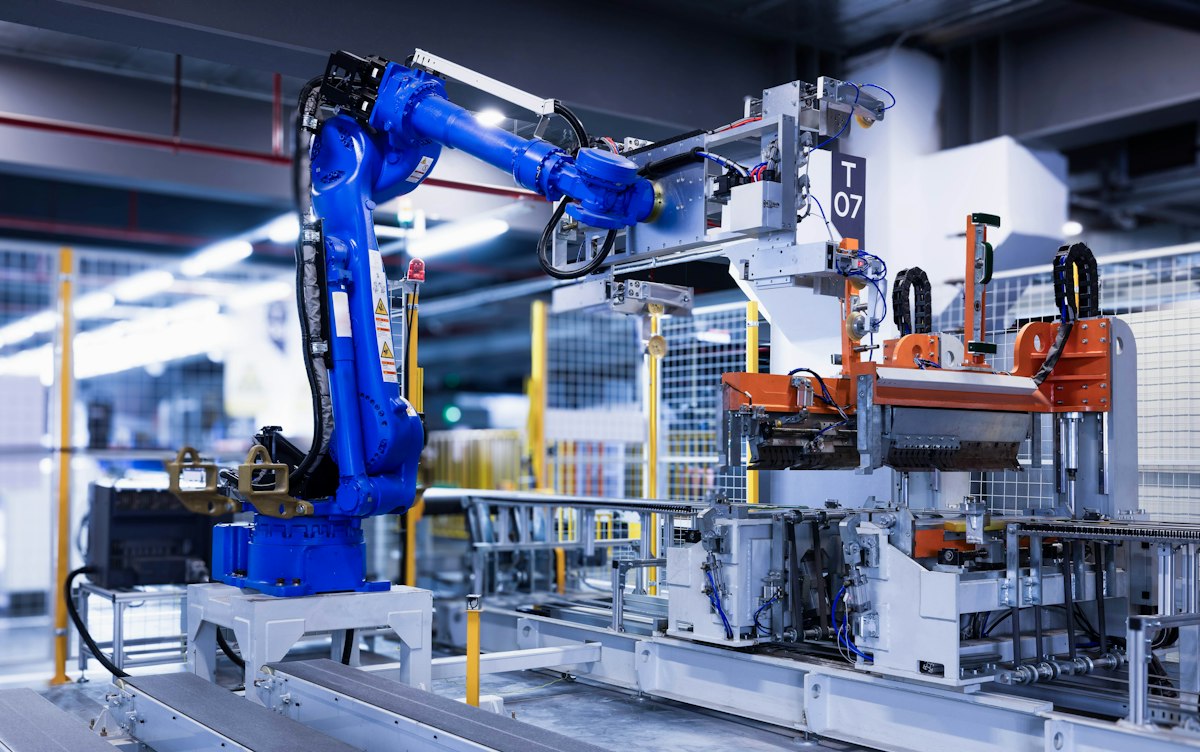
For many UK manufacturing managers, the end-of-line process is the silent bottleneck of the entire facility. While high-speed assembly and precision machining get the spotlight, the final stage—getting finished products onto pallets and ready for shipping—is often a repetitive, physically taxing, and error-prone manual task. As labour costs rise and the demand for consistent throughput increases, the transition from manual stacking to robotic end-of-line palletising is no longer just a luxury; it is a strategic necessity.
The True Cost of Manual Palletising
Manual palletising is the primary cause of repetitive strain injuries (RSI) in industrial environments. Beyond the human cost, there is a significant financial drain hidden in turnover rates, insurance premiums, and output variability. When a human operator grows tired, the pace slows, stacking patterns become inconsistent, and the risk of damage during transit increases. Robotic systems, by contrast, maintain 100% efficiency around the clock. By eliminating the 'fatigue factor,' manufacturers see an immediate jump in OEE (Overall Equipment Effectiveness), which is often the first metric to show a measurable return on investment.
Quantifying the ROI of Automation
Calculating the payback period for a robotic cell involves looking beyond the initial capital expenditure of the hardware. At Neuteq, we help our clients map out the total cost of ownership against the efficiency gains.
The Metrics That Matter Most
To determine when a cell pays for itself, we focus on three critical financial levers:
- Reduced Labour Overhead: Redirecting skilled staff from menial stacking tasks to high-value areas like quality control or machine maintenance.
- Material Optimisation: Robots place items with repeatable precision, allowing for tighter stacking patterns, which maximises space on each pallet and reduces the amount of stretch wrap and corner protection required.
- Throughput Consistency: Robotic cells provide a predictable output rate that allows for better synchronisation with upstream production, reducing the need for excess floor storage space for WIP (Work-in-Progress) goods.
Flexibility in Tight Spaces
One common misconception in UK manufacturing is that the factory floor is too small for automation. Modern collaborative and industrial robots are designed with a smaller footprint than ever before. Neuteq specialises in bespoke integration, ensuring that our robotic cells are designed to fit your existing layout without requiring expensive facility expansions. Whether you are dealing with high-mix, low-volume product lines or continuous high-volume production, our turnkey solutions are tailored to handle varied payloads and stack configurations with ease.
Preparing Your Facility for the Future
Investing in end-of-line palletising is not just about today's bottom line; it is about future-proofing your operations against market volatility. As UK supply chains demand faster lead times and higher standards of traceability, having an automated, data-connected cell provides the foundation for Industry 4.0 integration. The ability to monitor cell health, track pallet throughput, and adjust programming remotely gives operations managers a level of control that manual processes simply cannot match.
Take the Next Step with Neuteq
Deciding when to automate is a question of balancing your current growth trajectory with the long-term benefits of operational efficiency. At Neuteq, we provide the technical expertise to design, simulate, and install robotic cells that integrate seamlessly into your existing workflows. If you are looking to mitigate labour shortages and improve your throughput, contact the Neuteq Group team today for a site audit and an honest assessment of your potential ROI. Let us help you move your production line into the future.